Bedding | Materials & Care
Wool Bedding Layers: Balancing Moisture, Warmth, and Washability
A wool-filled mattress pad can soften the feel of a bed and help manage everyday moisture. But comfort depends on more than the fiber alone. The cover, fit, care routine, room conditions, and mattress beneath it all shape the result.
Published November 3, 2026
Sleep happens in a small climate of its own. Beneath a comforter, the body releases heat and moisture; the mattress and bedding either absorb, redistribute, or trap some of it. A wool layer sits close to the mattress, where it can add cushioning and influence how that sleeping surface feels. It is not a thermostat, and it cannot guarantee a cool or dry night. Its performance depends on the whole bed—and on the person sleeping in it.
That makes wool bedding less a miracle material than a practical choice with trade-offs. Wool fibers can take up moisture vapor while still feeling relatively dry to the touch, and a wool-filled pad may lend a softly padded surface. Yet a thick layer can also make a bed feel warmer, and “washable” does not mean care-free. Fit and laundering instructions matter as much as the label.
For anyone comparing wool bedding, the useful questions are concrete: How much does the layer change the feel of the mattress? Can the fitted skirt accommodate the mattress depth? What does the manufacturer say about washing and drying? And will the care routine fit real life? Answering those questions is a more reliable route to comfort than choosing by material name alone.
What wool can—and cannot—do with moisture
Wool is a natural fiber with a structure that can absorb moisture vapor. In bedding, that property may help moderate the sensation of dampness as conditions change through the night. A wool-filled pad can also separate the sleeper from the mattress surface with a layer of cotton and wool, which may feel more forgiving than a bare mattress cover.
The distinction between managing moisture and waterproofing is important. A wool pad is not automatically a barrier against spills, accidents, or liquid reaching the mattress. Unless a product specifically includes a waterproof membrane, it should not be treated as waterproof protection. People who need spill protection may want to consider how a separate protector would work with the pad, including whether the combined layers affect breathability, noise, or the feel of the bed.
Moisture comfort is also affected by the rest of the bedding. A dense comforter, synthetic sheets, a warm bedroom, and a person’s own temperature preferences can outweigh the contribution of a single pad. Think of wool as one part of a bedding system, not a stand-alone solution to night sweats or overheating. Persistent night sweating or other sleep-related symptoms may have causes beyond bedding and warrant discussion with a qualified health professional.
Nor does “natural” mean identical from one product to another. The amount and arrangement of wool, the fabric covering it, stitching, and overall thickness all matter. A lightly quilted wool pad may behave differently from a loftier layer. Product descriptions can help identify materials and construction, but they cannot predict exactly how warm or soft every sleeper will find a particular setup.
Warmth is a matter of layers
Wool is commonly associated with warmth, but the experience of sleeping on a wool-filled pad is not simply “hot” or “cool.” The pad’s thickness, the sheets above it, the comforter, room temperature, and individual sensitivity all influence the outcome. Some sleepers may appreciate a cushioned layer that feels cozy; others may find that even a modest addition makes the bed too warm.
That is why it helps to consider a wool pad as a change to the surface, rather than as a direct fix for temperature. If the mattress already feels too warm, adding another layer may not solve the problem. If the surface feels hard or slightly uninviting, a wool-filled pad may add a touch of cushioning. The goal is to notice what changes in the first few nights and adjust the rest of the bedding accordingly.
Seasonal habits matter, too. A setup that feels comfortable in a cool room in winter may feel different in a warmer room during summer. Instead of relying on broad claims about temperature regulation, consider the details you can control: the weight of the duvet, the breathability of sheets, airflow in the room, and whether the pad can be removed or laundered when needed.
People sharing a bed may experience the same surface differently. One sleeper may want more insulation while the other prefers less. In that case, making changes one at a time can help identify what is contributing to comfort. Swapping a wool layer, changing the duvet, or adjusting room conditions separately gives a clearer answer than changing the entire bedding setup at once.
A pad is not the same as a topper
The words “pad” and “topper” are sometimes used loosely, but they can describe layers with different purposes. A mattress pad generally adds a relatively modest amount of surface cushioning and may provide a washable layer between sleeper and mattress. A topper is often thicker and intended to change the feel of the mattress more noticeably. The names alone do not settle the question: construction and thickness are the better clues.
A wool pad may soften the initial feel of a firm surface without transforming the support underneath. It is unlikely to correct a mattress that has sagged or lost its structure. Similarly, it cannot be expected to alter the underlying mattress’s support system. If back or joint discomfort is part of the decision, bedding changes should not be treated as medical care; comfort preferences vary, and persistent pain is best discussed with an appropriate clinician.
Before buying, ask what kind of change is actually wanted. Is the aim to protect the mattress, add a little softness, create a washable barrier, or make the bed feel warmer? One product may address some of those aims but not all. A wool-filled pad can offer cushioning and a natural-fiber layer, for example, while a waterproof protector is designed for a different job. Stacking both may be useful for some households, but the combined effect can alter the surface feel.
Fit: the detail that decides whether a layer stays put
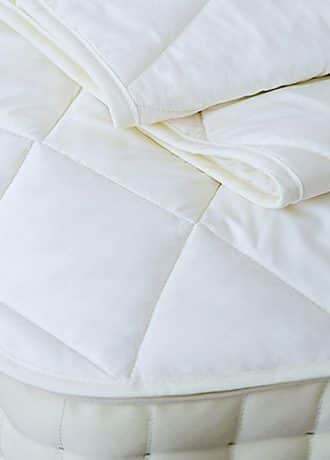
A well-chosen pad that slips, bunches, or pulls free at the corners will be a daily irritation. Check the mattress dimensions and the depth of its sides, including any existing topper. The fitted pocket or skirt needs enough room to go around the full mattress without being stretched to its limit. A listing’s stated pocket depth is a useful starting point, not a reason to skip measuring.
Also consider how the pad is secured. Fitted styles use fabric around the mattress edge; elasticated skirts help hold the layer in place. The success of either design depends on the mattress depth, its shape, and how much material is available in the skirt. A mattress with a thick topper may require deeper pockets than the mattress alone would suggest.
Some wool pads are intentionally oversized to allow for shrinkage after washing. That may be a practical construction choice, but it means the pad could have a looser appearance before its first wash. Follow the maker’s care directions rather than trying to shrink it deliberately. Improvised hot washing or drying can damage fibers, fabric, or stitching and may produce an unpredictable fit.
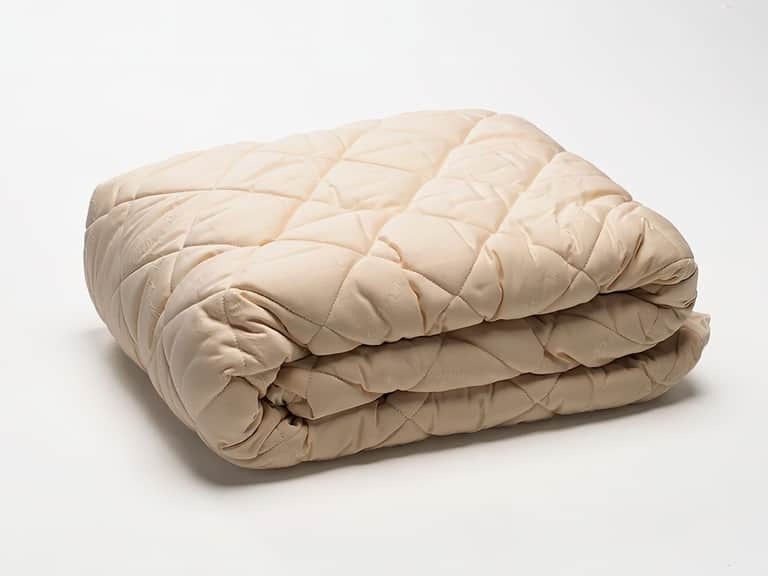
For an example of the specifications worth comparing, the Suite Sleep Washable Wool Mattress Pad is described as having organic cotton on both sides, washable wool fill, a fitted style, and 18-inch pockets. Its care directions call for cold-water machine washing with natural detergent, followed by low tumble drying or hanging to dry. Those details are more useful for evaluating fit and routine than a broad claim that a pad is simply “easy care.”
Washability is a promise with conditions
“Machine washable” can sound like a guarantee of effortless maintenance. In practice, it means the item is intended to be cleaned in a washing machine under specified conditions. Water temperature, detergent, cycle, load size, and drying method still matter. A large pad may also be difficult to wash evenly in a small household machine, even if the care label permits machine washing.
Read the full care instructions before purchase, not after the first spill. Check whether the manufacturer recommends cold water, a gentle cycle, a particular detergent, or low heat. Look for any warnings about bleach, fabric softener, or dryer sheets. These products and processes may affect fabric performance or the feel of natural fibers. When the item is too bulky for a home washer, professional laundering may be a more realistic option—but only if the maker allows it.
Drying deserves equal attention. A damp, bulky layer can take time to dry thoroughly. Tumble drying on low may be permitted for some products; line drying or hanging may suit others. The right choice is the one specified for that particular pad. Avoid assuming that high heat will make drying faster without consequences. Heat can contribute to shrinkage or wear, and an incompletely dried bedding layer should not be returned to the mattress.
Between washes, routine care can be simple: follow the maker’s guidance, allow the bed to air when practical, and attend to spills promptly. The right frequency of washing depends on the household, the product’s instructions, and how the pad is used. A regular schedule may be helpful, but excessive washing can place unnecessary wear on bedding. There is no universal interval that suits every pad and every home.
If a wool pad develops a natural scent, that may be noticeable to some people, particularly when new or freshly unpacked. Sensitivity varies. Airing the item in a dry, well-ventilated space may help if the care instructions permit it. Avoid masking the smell with strong fragrances if sensitivities are a concern, and contact the retailer or manufacturer if the odor is persistent or seems unusual.
Cotton covers and the feel of the surface
The cover is not just packaging around the fill. It is the fabric that touches the sheets, contributes to the pad’s hand, and contains the wool. Cotton covers are common in wool bedding and can provide a familiar, fabric-like surface. Their weave, quilting, and tension affect whether a pad feels smooth, textured, crisp, or plush. A product description naming cotton and wool gives useful information, but the actual feel is still personal.
Construction can also affect how evenly the filling sits. Quilting or stitching helps keep layers in place, while the amount of wool influences loft and cushioning. A pad with more fill may feel plusher and may add more height; a thinner one may make a subtler change. There is no single ideal amount. The right balance depends on the mattress, the sleeper, and the desired surface feel.
Material claims should be read carefully. Organic, natural, and sustainably sourced describe different attributes and do not automatically indicate how a product will feel, how long it will last, or how easily it can be cleaned. If those qualities matter to a purchase, look for specific details about the cover, fill, sourcing, and relevant certifications rather than relying on a broad label.
A practical comparison checklist
Product pages can make similar pads sound interchangeable. A short checklist helps bring the decision back to daily use:
- Purpose: Decide whether the priority is cushioning, moisture management, routine mattress protection, or a combination. Confirm that the product is intended to meet that need.
- Materials: Identify the fill and cover. Check whether the pad includes any waterproof layer rather than assuming that wool itself protects against spills.
- Construction: Compare quilting, stated fill details, thickness, and whether the product is designed as a light pad or a more substantial topper.
- Fit: Measure the mattress, including any existing topper. Compare those measurements with the pocket or skirt depth and the product’s size chart.
- Care: Read washing and drying instructions in full. Consider whether your machine can handle the item and whether you have a suitable place to dry it.
- Warmth: Think about the room, duvet, sheets, and personal preferences. A new layer changes the overall bed, not just one isolated material.
- Use with a protector: If liquid protection matters, check whether a separate waterproof protector is needed and whether the combined layers remain comfortable and secure.
- Returns and support: Review the seller’s policies and ask questions about fit or care before purchase, especially if the mattress has an unusual depth.
This approach also helps distinguish a wool pad from a wool topper. The terms can overlap in retail descriptions, so focus on the stated construction and intended use. When specifications are missing, asking the seller for measurements and care details is a reasonable next step.
The place of wool in a considered bedding setup
A thoughtful bed is built from compatible layers. The mattress provides the underlying support; sheets create the immediate fabric surface; a pad may add light cushioning; and a protector may help guard against particular kinds of wear or spills. Above them, blankets and comforters supply much of the warmth. A change to any one layer can influence the others, so adding more material is not always the answer.
For someone who wants a natural-fiber layer and is comfortable following its care instructions, wool bedding may be an appealing option. For someone who needs a waterproof barrier, a wool pad alone may not be enough. For a sleeper who runs warm, the full combination of mattress, pad, sheets, and duvet deserves attention before adding insulation. The most useful product is not necessarily the one with the longest feature list; it is the one that fits the bed and the household’s routine.
Keep expectations measured. Wool may help moderate the feel of moisture and add softness, but it does not promise a particular sleep temperature, resolve a medical issue, or make every mattress comfortable. A pad is also a layer to maintain. Its value depends partly on whether the owner can wash and dry it as directed, keep it fitted, and accept the small changes in feel that come with it.
Frequently asked questions
Does a wool mattress pad make a bed cooler?
Not necessarily. Wool’s moisture-handling properties may support a comfortable surface for some sleepers, but a wool pad can also add warmth. The result depends on its thickness and construction, the rest of the bedding, room conditions, and individual preference.
Is a washable wool pad waterproof?
No, not unless the product specifically includes a waterproof layer. Wool fill and cotton covers should not be assumed to block spills. Check the construction details if liquid protection is important.
How deep should the fitted pockets be?
Measure the mattress at its deepest point, including any topper that will remain under the pad. Choose a pocket depth that can accommodate the complete setup without stretching the skirt tightly or leaving it loose.
Can every wool pad go in a washing machine?
No. Care instructions vary by product. Even when machine washing is permitted, the manufacturer may specify a cold, gentle cycle and particular drying methods. Follow the label and consider whether your washer can handle the pad’s size.
Will a wool pad change the feel of a mattress?
It may add surface cushioning and warmth, but the amount of change depends on the pad’s fill and construction. It will not replace the support of the mattress beneath it or repair a worn-out mattress.
The bottom line
Wool bedding is best understood as a useful layer, not a universal sleep upgrade. Its appeal lies in the combination of a natural fill, potential moisture moderation, and soft cushioning. Its limits are just as important: it may add warmth, it is not inherently waterproof, and washability comes with specific conditions.
Compare the details that will matter after the first night: cotton cover, wool construction, pocket depth, fit, washing directions, and drying space. Then consider the layer in context—with the mattress, sheets, protector, and comforter already in place. The right wool pad is the one that supports the surface feel you want and fits a care routine you can actually maintain.